DSF Wine A/S · Den Sidste Flaske
Building the brand engine for a Danish natural wine brand
A brand architecture that lets a much-loved consumer brand sell to the trade without looking like a competitor.
- Role
- Timeline
- Tools
The problem
Den Sidste Flaske is one of Denmark’s strongest direct-to-consumer wine brands. That strength became friction in B2B. Restaurants, hotels, retailers and supermarkets saw the brand as a competitor for their own customers.
Earlier fixes added more DSF-branded logos: DSF Horeca, DSF Wine, DSF Engros. Each one kept the consumer name in front of the partner, so the perception problem stayed. My read was simple. This was not a logo issue. It was a brand architecture problem.
What I decided
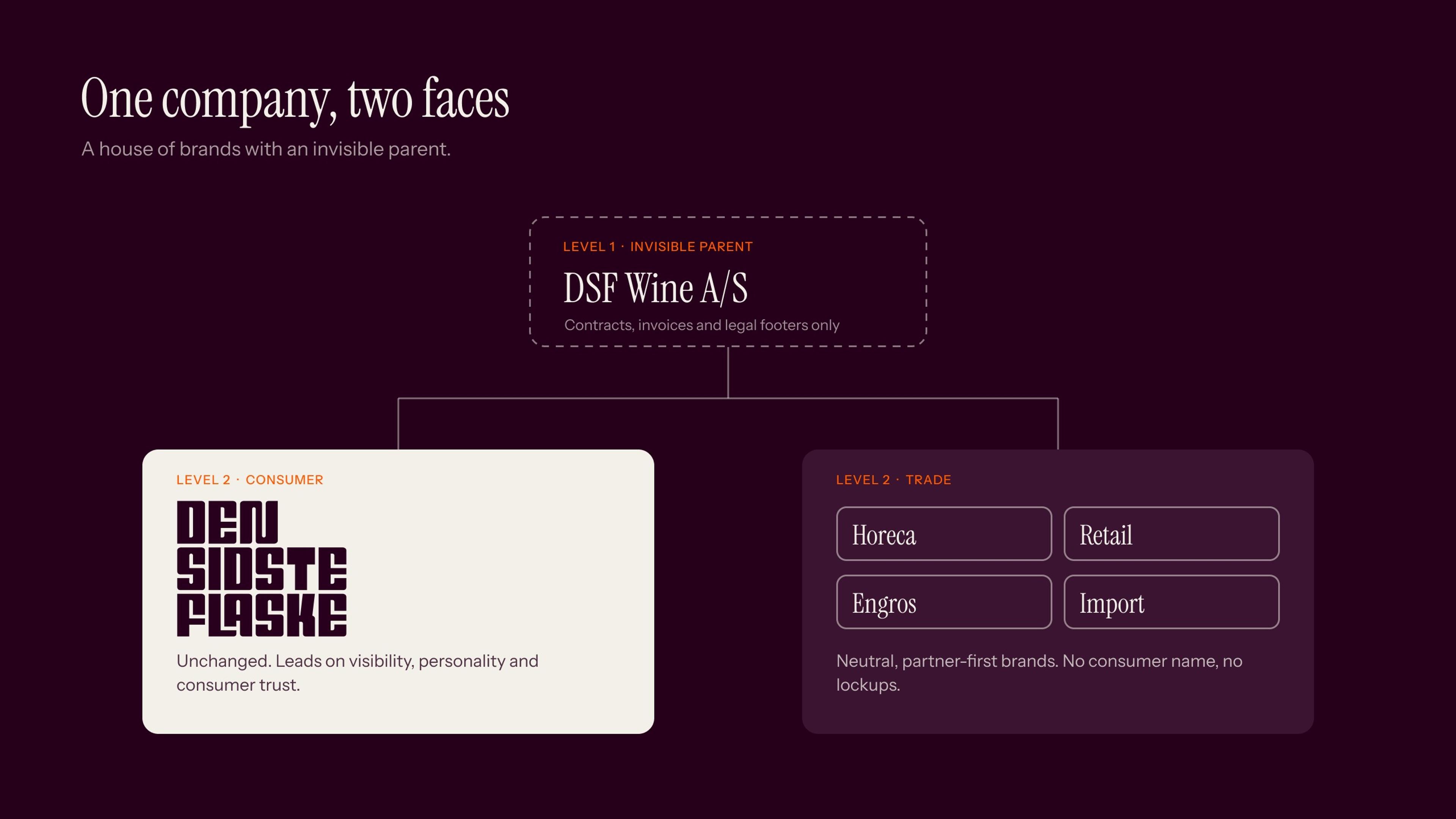
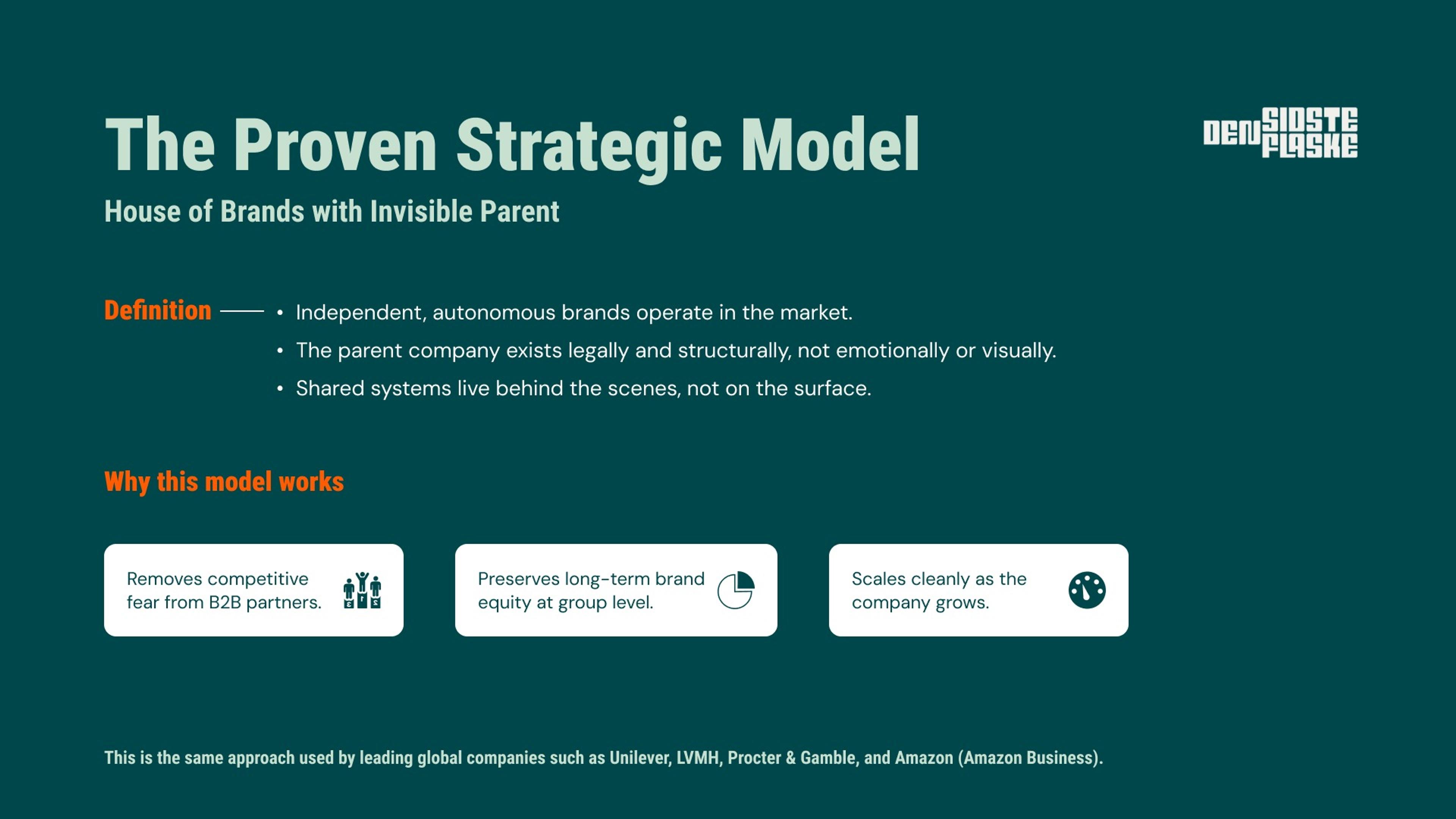
I proposed a house of brands with an invisible parent, the same model Unilever, LVMH, P&G and Amazon Business use.
Level 1 is DSF Wine A/S, the legal and operational parent. It appears on contracts, invoices and legal footers, never in marketing. Level 2 is the market-facing brands. Den Sidste Flaske stays exactly as it is for consumers. The trade gets independent brands for Horeca, Retail, Engros and Import, with no DSF name and no logo lockups.
What is shared lives under the hood: grid, spacing, type philosophy and the craft cues of wine expertise. What faces the market stays separate: logos, palettes, photography and tone. Distance in perception, unity in structure. I backed it with governance: one brand owner, documented rules and a central review of everything brand-facing.
The build
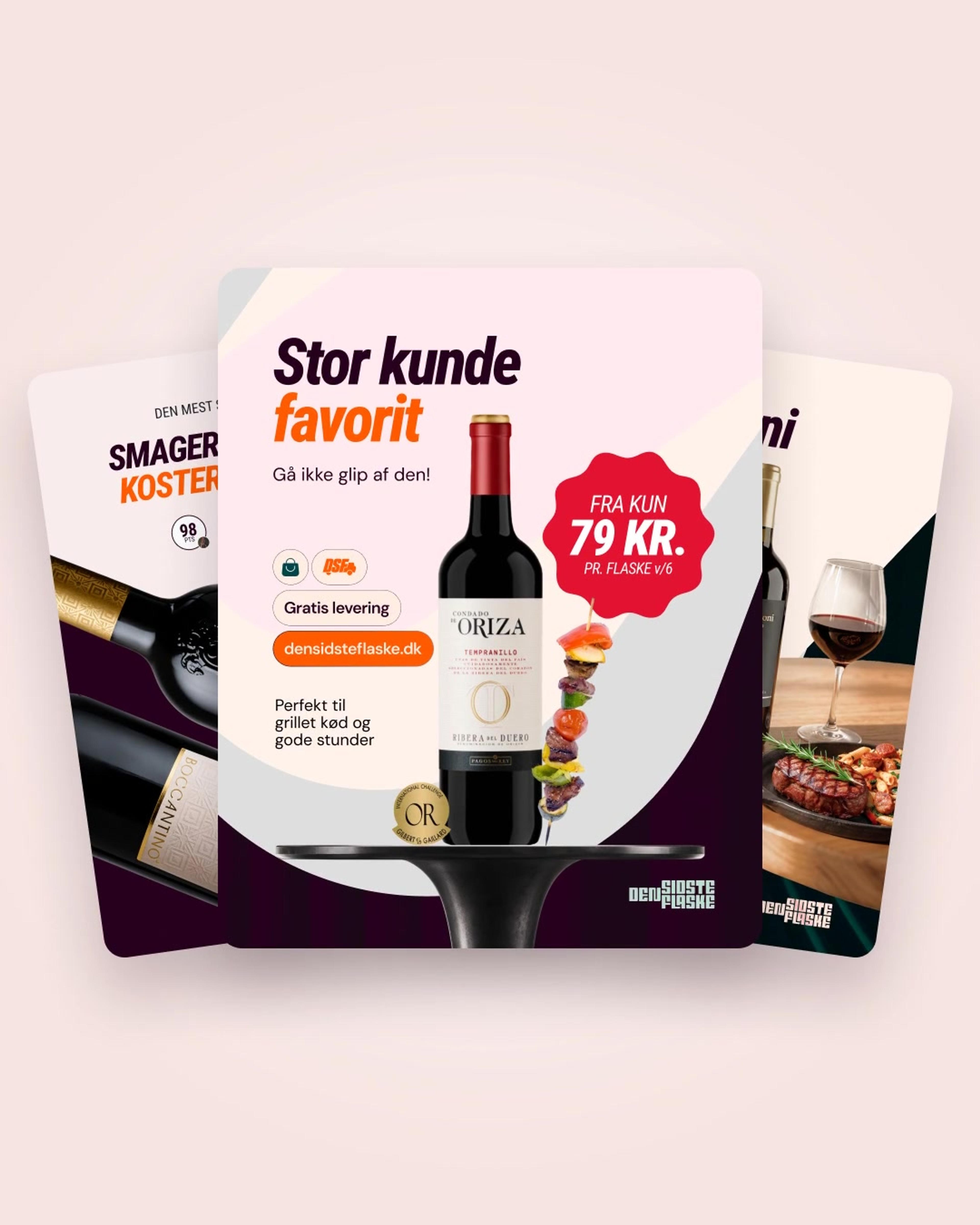
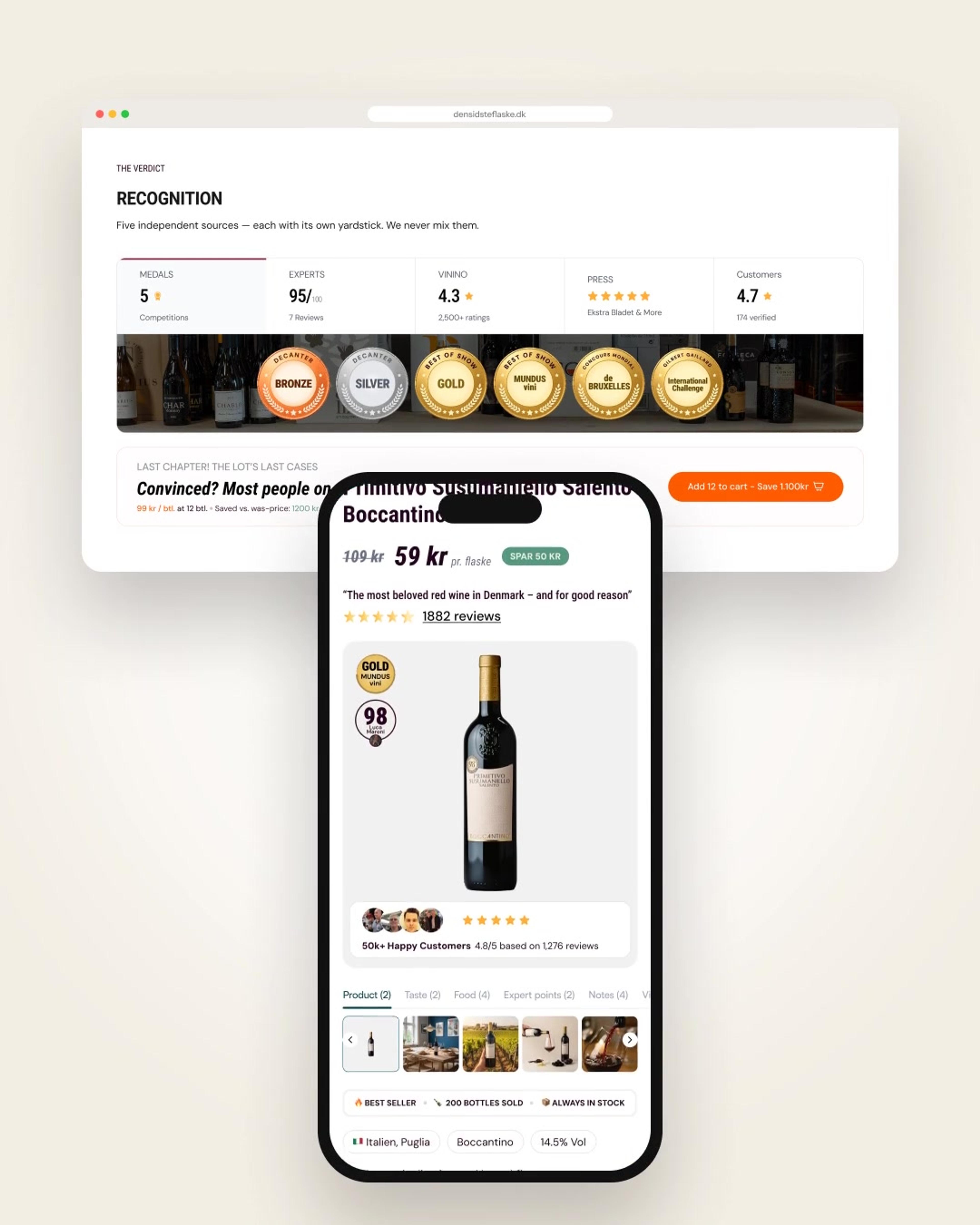
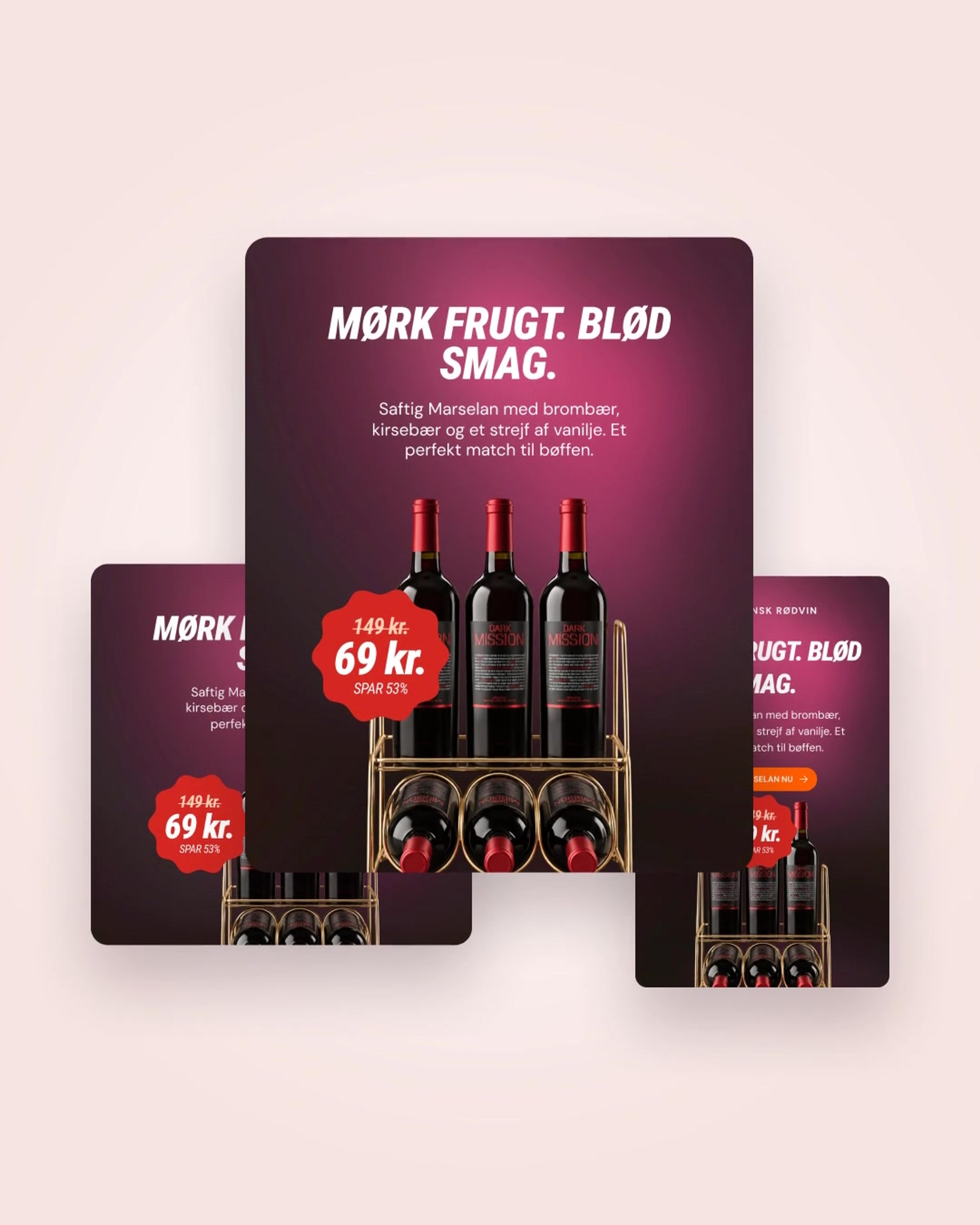
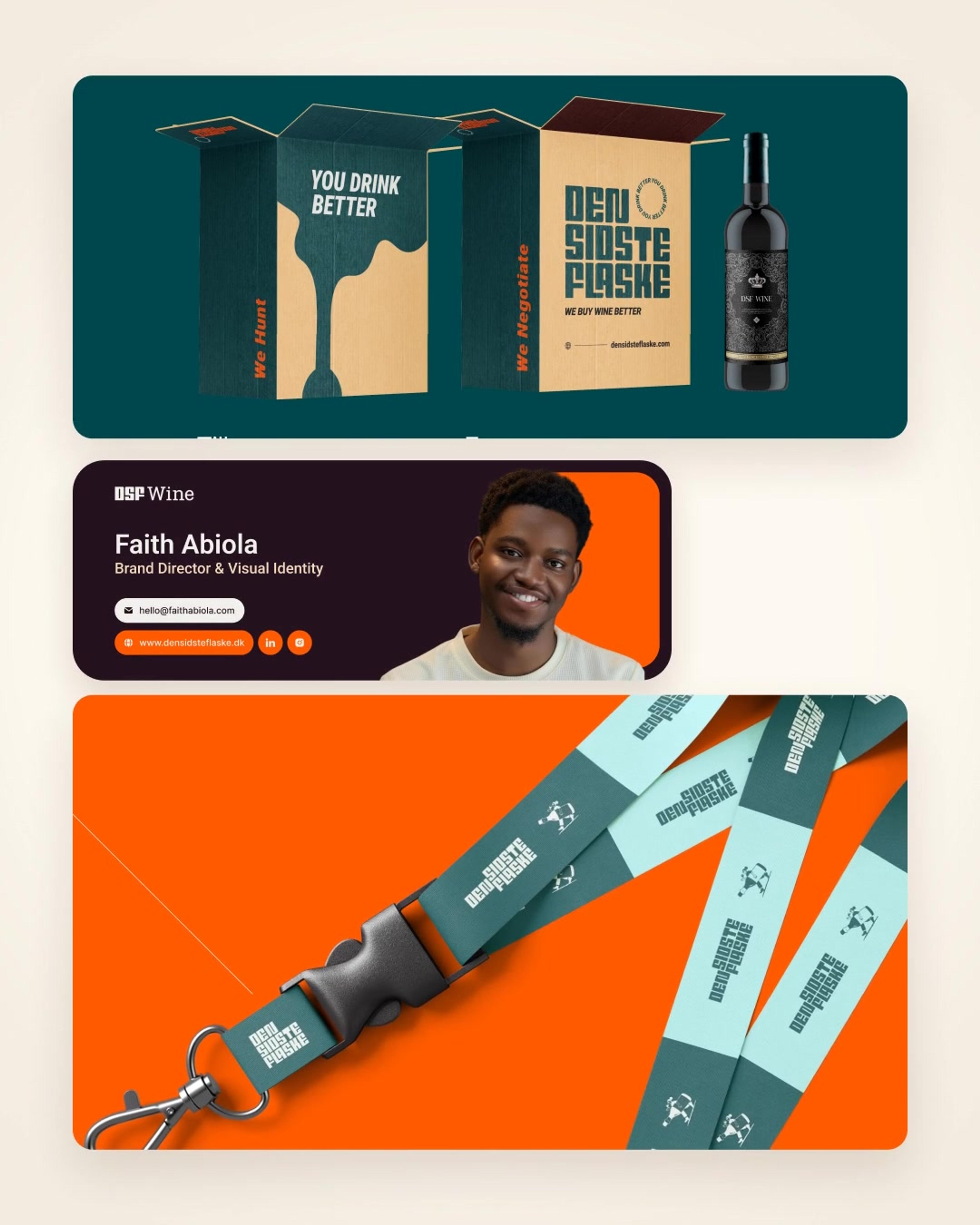
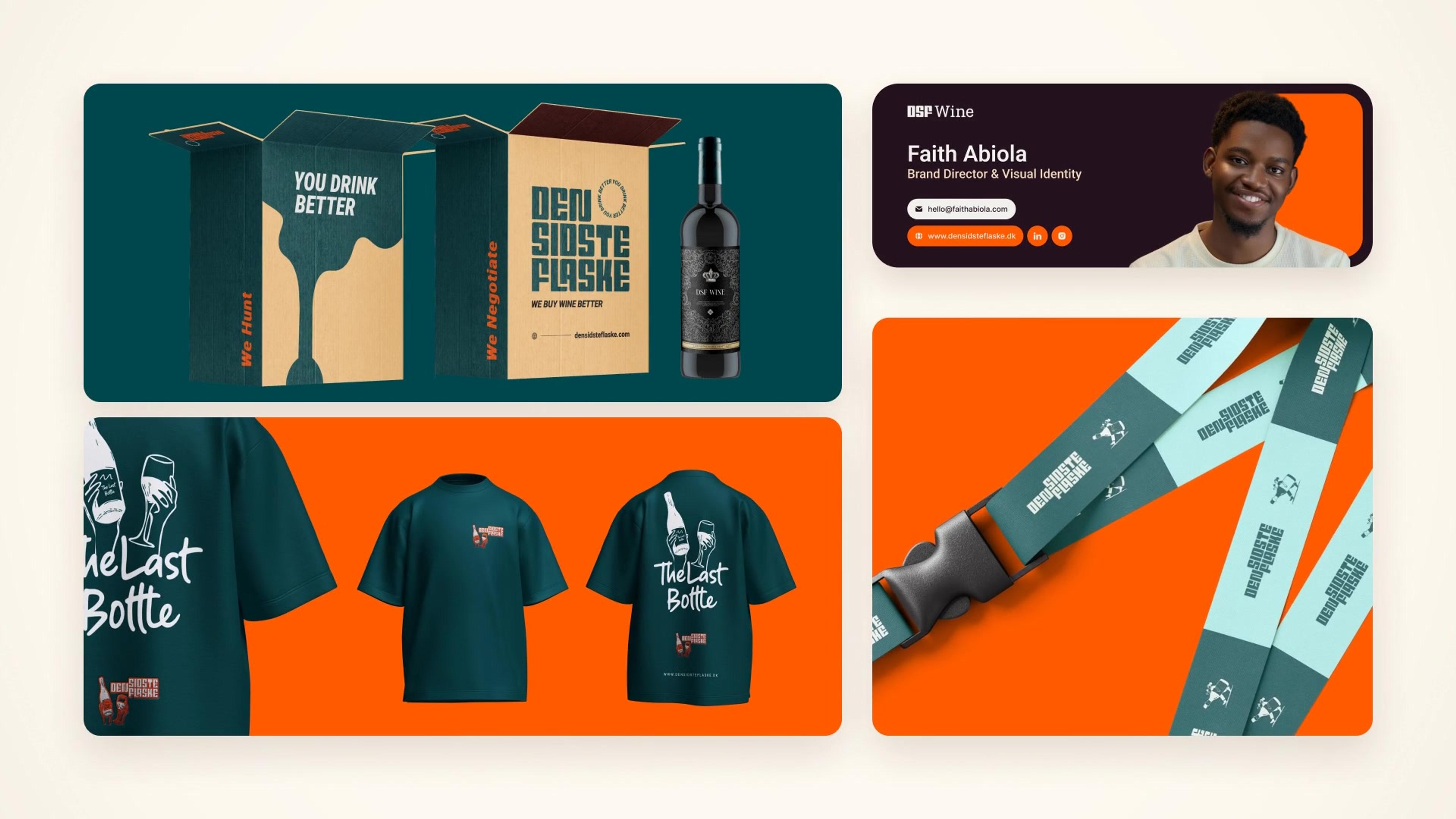
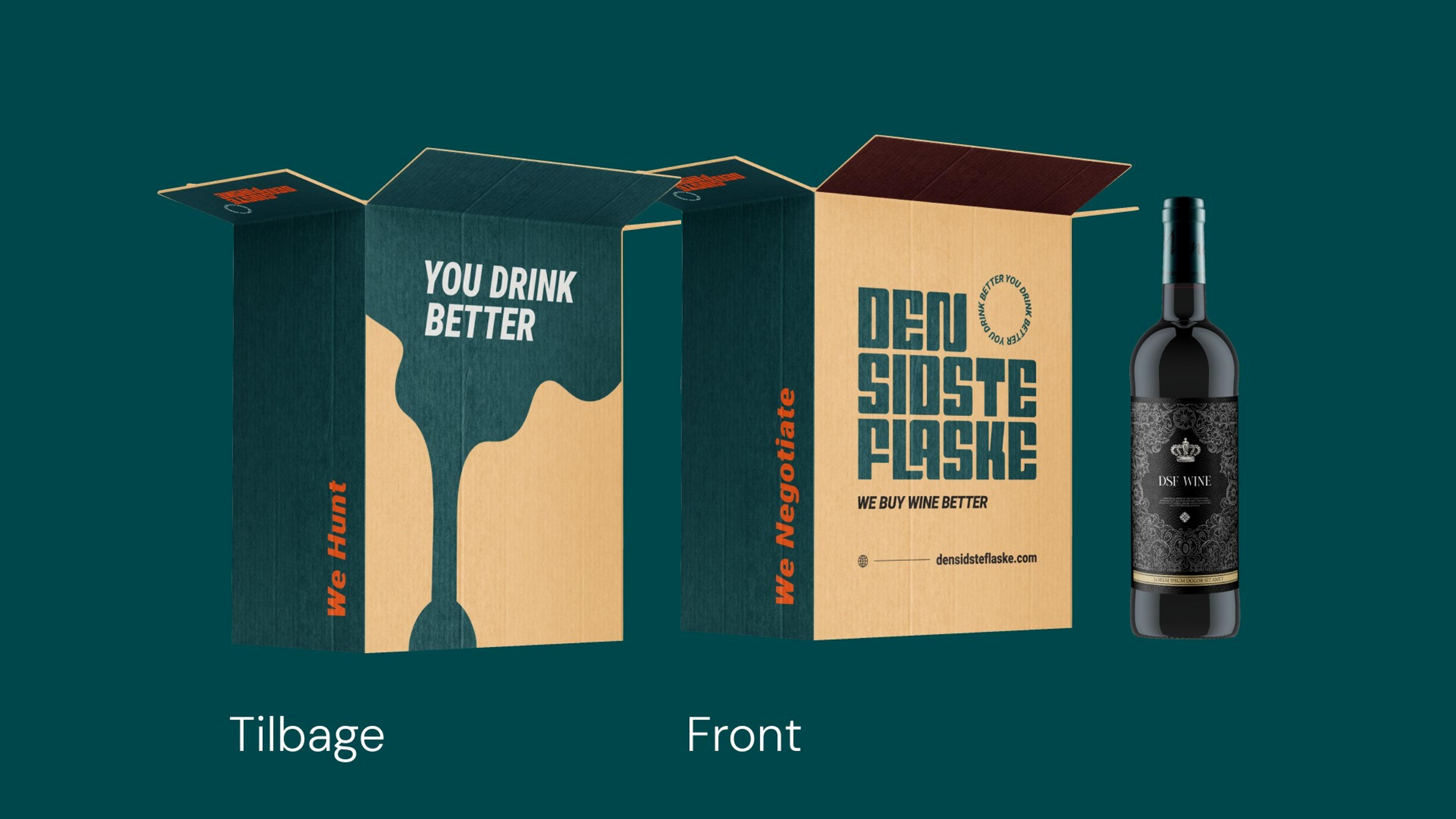
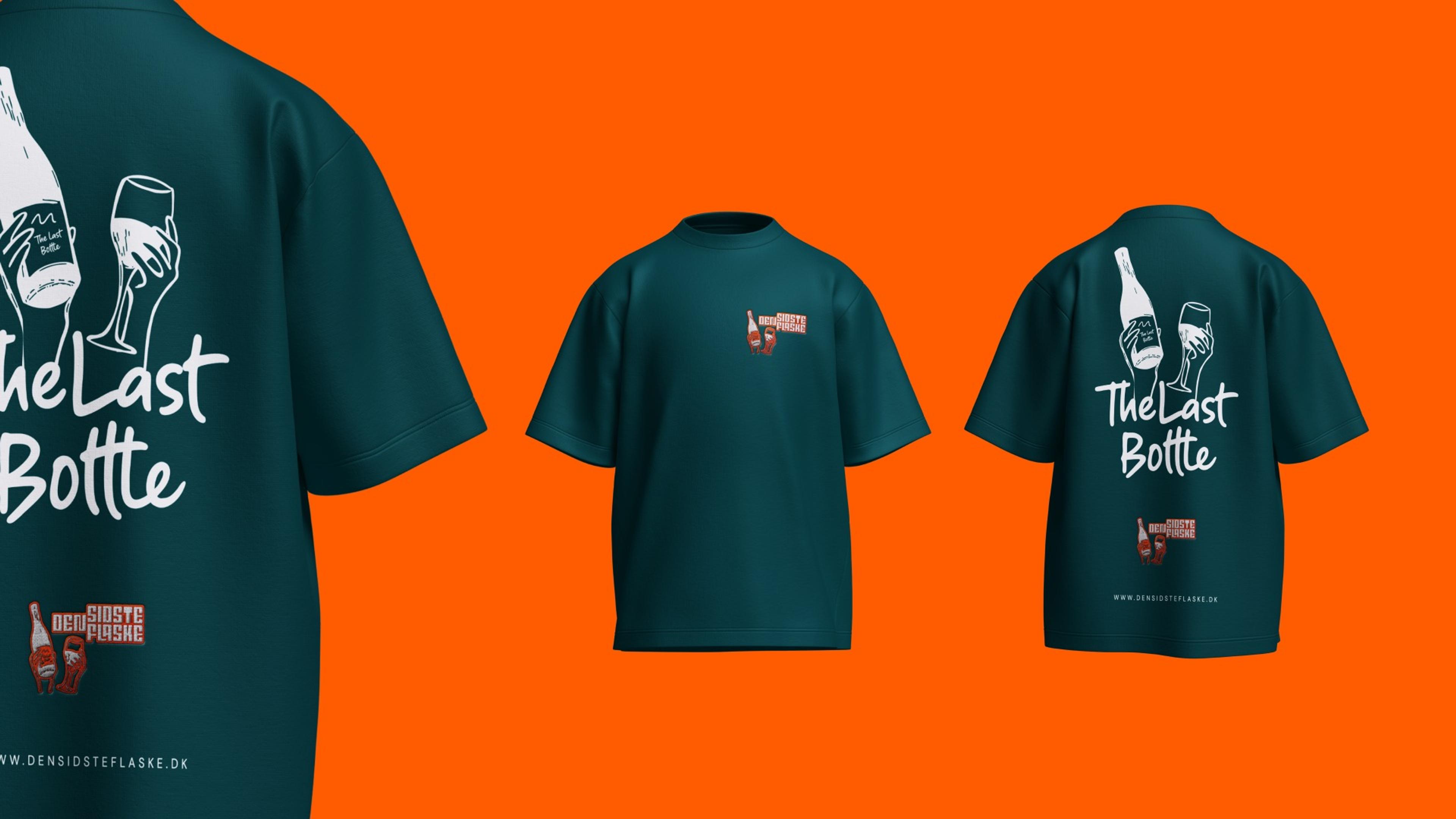
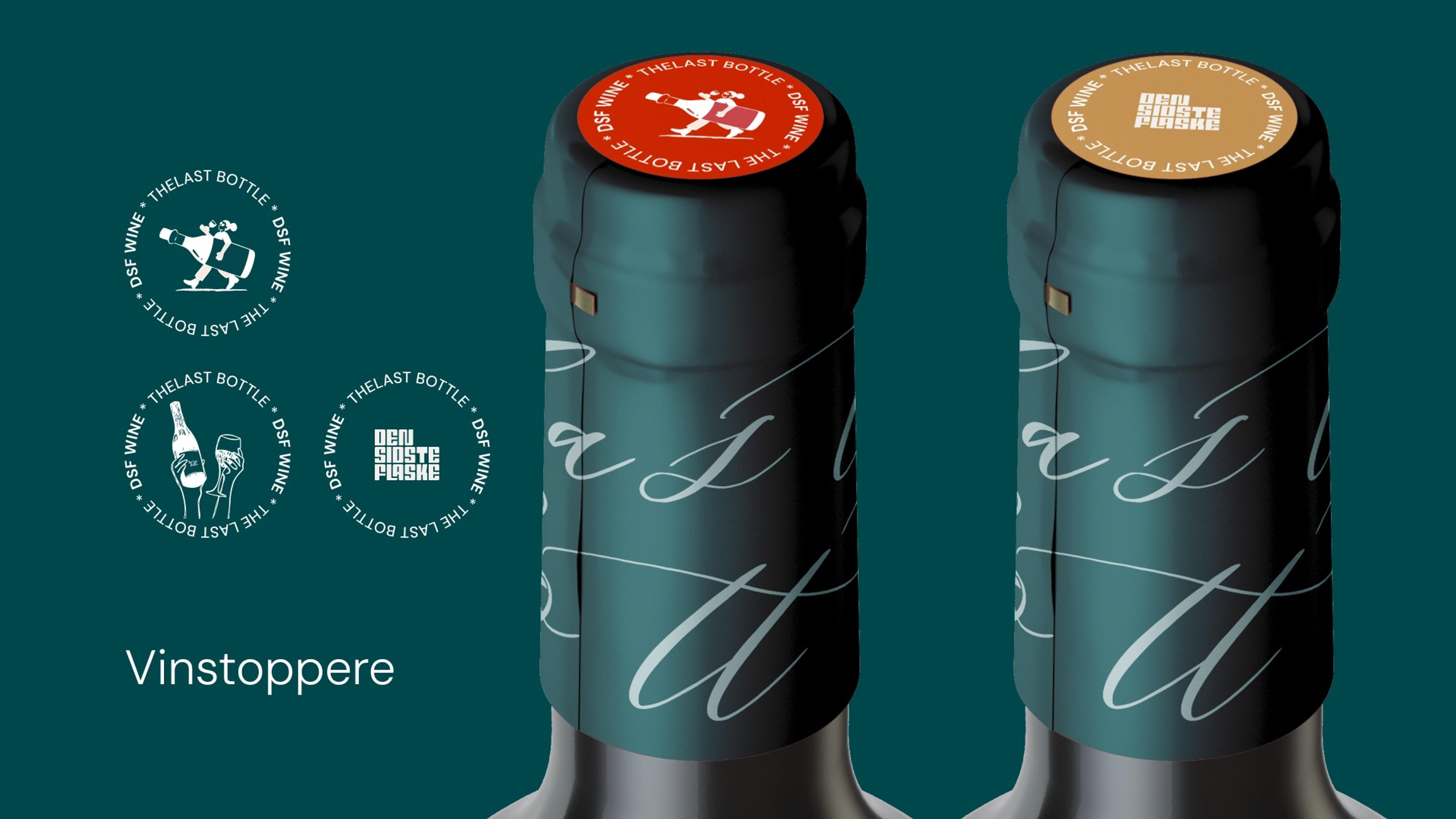
I wrote and designed the 16-slide proposal for leadership, then started the rollout where the architecture meets people every day. The email signature system is one component that produces the right face for the right audience: two brands, three colourways and twenty people, 120 signatures from a single source. Alongside it, a set of brand applications took the consumer identity into merch, packaging, wine stoppers and print.
The full case study
The full case study walks through the 16-slide proposal, the governance model and the rollout plan for the trade brands.
Request the full case studyResults
3
Brand levels defined, from legal parent to trade brands
120
Email signatures generated from one component
2 × 3
Brands and colourways in the signature system
11
Brand application boards, from merch to packaging
What’s next
Roll the trade brands into sales decks, price lists and the B2B webshop, then measure partner sentiment before and after.